
Airbnb's Server-Driven Auth: 60% Less Code

Alps Wang
Sep 5, 2026 · 1 views
Server-Driven Authentication: A Paradigm Shift
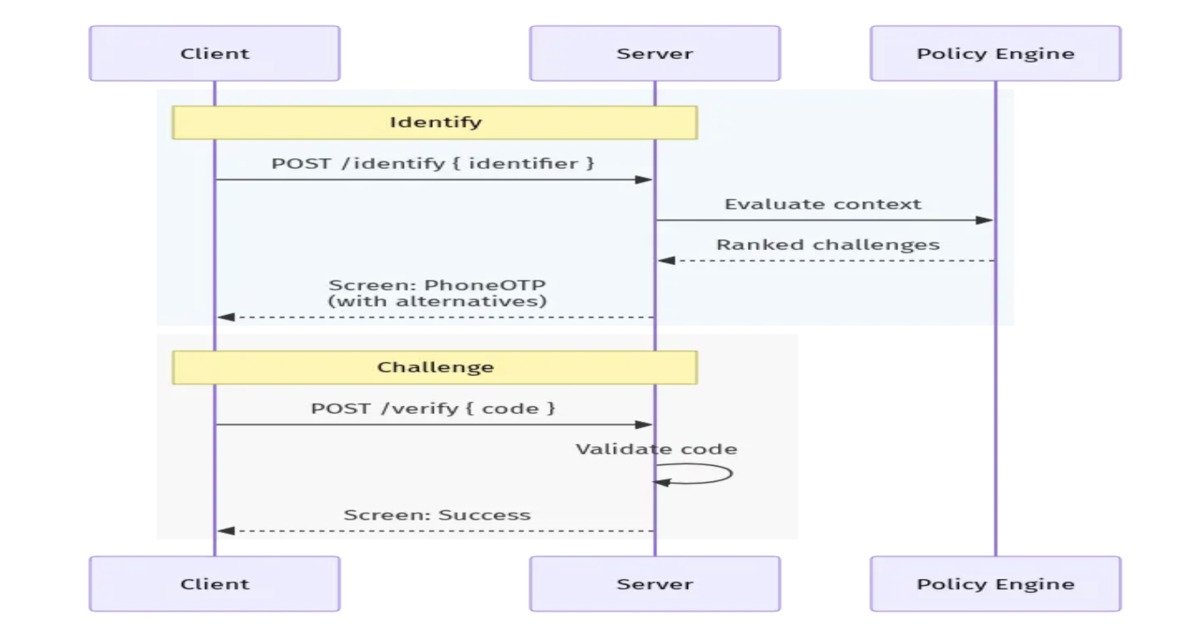
Airbnb's adoption of a server-driven architecture for authentication is a compelling case study in decoupling client and server logic, directly addressing a common pain point in multi-platform applications: inconsistent and difficult-to-update user flows. The stated benefits – a 60% reduction in authentication code, a 100KB web bundle decrease, and increased successful authentications – are substantial and directly attributable to this architectural shift. This approach allows for rapid experimentation and adaptation to regional user preferences or evolving security best practices without the need for app store approvals and client releases, significantly accelerating the iteration cycle. The 'Identify-then-Challenge' model, coupled with a configurable policy engine, is a robust way to handle the complexity of user authentication in a global context.
However, a potential concern lies in the increased complexity on the server-side. While client code is simplified, the server now bears the full responsibility for managing authentication logic, policy decisions, and rendering UI components. This could lead to a more intricate server-side codebase and potentially higher server load, especially if the policy engine becomes overly complex or computationally intensive. The performance of the server-driven UI rendering on the client also needs careful monitoring to ensure a smooth user experience, especially in environments with high latency. Furthermore, the reliance on server-defined schemas for client type definitions, while beneficial for development, requires robust tooling and strict adherence to prevent runtime mismatches that could lead to critical authentication failures.
Key Points
- Airbnb has transitioned to a server-driven architecture for its authentication flows across Web, iOS, and Android.
- This shift moves authentication decision-making from clients to a server-side policy engine, enabling dynamic adaptation to user context and regional preferences.
- Key metrics show significant improvements: 60% reduction in authentication code, 100KB web bundle size decrease, 2.6% increase in successful authentication, and 27% reduction in duplicate account creation.
- The architecture uses an 'Identify-then-Challenge' model, where the server determines the most appropriate authentication method (e.g., WhatsApp OTP for Brazil) and presents fallback options.
- This server-driven approach allows for rapid experimentation and changes to authentication strategies without requiring client code updates or app store releases.
📖 Source: Airbnb Cuts Authentication Code by 60% with Server Driven Architecture
Related Articles
Comments (0)
No comments yet. Be the first to comment!